Symptoms need context
Pain, swelling, trapped food, gum inflammation or decay around the back teeth should be examined rather than judged from symptoms alone.
Wisdom teeth
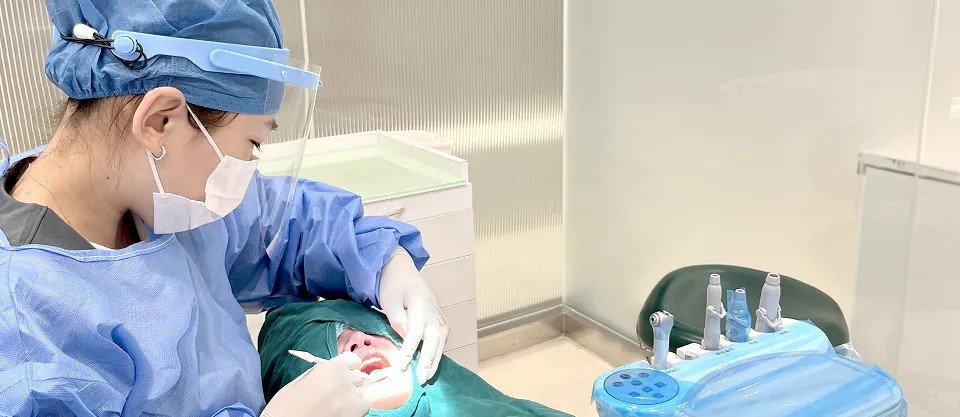
Wisdom teeth
Wisdom teeth can be difficult to clean and may be partially erupted, impacted or close to important structures. Examination and imaging guide whether monitoring or removal is appropriate.
Pain, swelling, trapped food, gum inflammation or decay around the back teeth should be examined rather than judged from symptoms alone.
Upper, lower, impacted and ectopic wisdom teeth can require different extraction approaches.
The dentist reviews tooth position, roots and nearby anatomy before explaining the procedure, fee and aftercare.
A clearer path
Clinical recommendations depend on an in-person examination and your individual needs.
Discuss the symptoms and examine the wisdom tooth, using CT or X-ray imaging when required.
Review the extraction method, anaesthesia, expected recovery, applicable fee and individual risks before proceeding.
A qualified dentist performs the extraction and provides wound-care and follow-up instructions for the case.
Ready when you are
Start with the tooth position and current symptoms, then decide with the treating dentist whether to monitor or remove it.
Book a wisdom-tooth assessmentClinical suitability, timing and fees are confirmed by the treating dentist after an in-clinic assessment.